Every figure below comes from our verified state data and links to its official source.
Quick answer
An impound release form is not one document that works everywhere. Depending on the state and on who ordered the tow, it can be a release from the police agency, a letter from a motor vehicle office, a signed note that lets someone else collect the car, or a paper the lot asks you to sign. Check your state page for the papers it lists, then call the agency and the lot before you go.
What an impound release form can mean
People use the same words for several different papers. Knowing which one applies to your car can save you a wasted trip and another day of storage charges.
- A release from the agency that ordered the tow. After a police tow, the lot may need written word from that agency before it hands the car over.
- A letter from a motor vehicle office. In some places the owner first visits a motor vehicle office, pays what is due there and gets a letter to take to the lot.
- A form for someone acting for the owner. When a friend, relative or insurer collects the car, the lot may ask for the owner's signed permission.
- A paper signed at the lot. When you collect the car, you may be asked to sign that you received it.
Which of these applies to you depends on who ordered the tow, so check your state page. The sections below quote what the state rules say.
A police release before the lot can let go
When the police ordered the tow, start with the agency, not the lot. Ask whether there is a hold on the car and whether the agency issues a written release. The rule in Alaska reads: If the police ordered the tow, get a written release from the officer or agency that ordered the removal; the lot may not release the vehicle without it.[1]
In California, the step on release papers says: Get any release document the agency requires (e.g., a police/law enforcement release in a crime or fatality case, or the agency release for a 30-day impound).[2]
A hold placed for an investigation or as evidence can come with its own conditions. Two more examples of how state rules put it:
- Michigan: If police held the vehicle as suspected stolen, as evidence, or after a crash, get the police agency's release first; the lot cannot release it until then.[3]
- New Hampshire: If the vehicle was held as evidence or for a crime investigation, the company may release it only when the police agency that removed it (for the State Police, the trooper who arranged the hold or a superior officer) or a court authorizes it. Bring photo identification: for a vehicle held by the State Police, the company must see a valid photo driver's license or other government photo ID and keep a copy.[4]
Some state rules give the release a name or a form of its own. The release documents listed for Tennessee and Oklahoma are:
Tennessee — 4 items
State page: Tennessee
- Photo identification (Tennessee Highway Patrol rotation tows: the company must require photo ID before releasing a vehicle or personal property)[5]
- Payment of all towing, preservation and storage charges[6]
- For an insurer or lienholder: documentation showing its right to take custody of the vehicle (the facility must then release it on payment of reasonable charges, without the owner's consent)[7]
- If THP placed a hold order on the vehicle: a Release of Vehicle Hold Order (form SF-1412) or a release recorded by THP[8]
Oklahoma — 7 items
State page: Oklahoma
- Proof of ownership, such as the certificate of title or the registration receipt[9]
- Photo identification, such as an Oklahoma or other state driver license or ID card, another government photo ID, or a foreign driver license[10]
- Proof of insurance (an unexpired insurance card or policy showing the vehicle's VIN) or an affidavit of non-use; with an affidavit the car cannot be driven from the lot. The law requires this for any vehicle impounded by police, unless the insurer that accepted liability asks for the release.[11]
- Proof of registration, such as a valid unexpired plate on the vehicle or proof of registration from Service Oklahoma[12]
- A Law Enforcement Release, if police placed a hold on the vehicle[13]
- If someone else picks up the car: a notarized statement from the owner allowing them to act for the owner[14]
- Payment of all towing and storage fees[15]
When you call the agency, write down the name of the person you speak to. Ask where to pick up the release, what ID to bring, whether there is a fee at the agency, and whether the agency sends the release to the lot itself. If the agency gives you a paper, take the original to the lot and keep a photo of it.
The DMV impound release form and the letter of impound release
Some readers look for a DMV impound release form because a motor vehicle office is part of the process where the car was towed. The office does not replace the police or the lot. It is an extra stop before the lot.
In Utah, the step after a police impound reads: After a police impound, first go to a DMV office (no appointment needed) with proof of ownership and photo ID, pay any registration fees and the administrative impound fee if it applies, and get a Letter of Impound Release. A representative needs a statement signed by the owner; a lien holder needs a copy of the title or security agreement. If the police placed an evidence hold, the agency must authorize the release first.[16]
The next step there reads: Go to the impound yard during business hours (Monday to Friday) with the release letter and photo ID, and bring someone with a valid driver's license who can drive the vehicle away. After a private-property tow you can call at any hour and the company must release the vehicle within one hour, but an after-hours fee may apply.[17]
If your state page does not list a letter of impound release or a similar visit to a motor vehicle office, do not assume you need one. Ask the agency that ordered the tow where the release comes from, if there is one at all. Calling first matters here, because a trip to the wrong office costs you time while storage keeps adding up.
Forms for someone collecting the car for you
If you cannot go to the lot yourself, the person who goes for you may need a signed statement or an official form. The rules in these states read:
Colorado — 1 item
State page: Colorado
- If you are an authorized driver rather than the owner: a current driver's license, a signed statement on the PUC 'Vehicle Release Form', and two of the following: the keys, proof of insurance, the vehicle registration, the VIN, or knowledge of where the vehicle was towed from[18]
Oklahoma — 2 items
State page: Oklahoma
- Proof of insurance (an unexpired insurance card or policy showing the vehicle's VIN) or an affidavit of non-use; with an affidavit the car cannot be driven from the lot. The law requires this for any vehicle impounded by police, unless the insurer that accepted liability asks for the release.[11]
- If someone else picks up the car: a notarized statement from the owner allowing them to act for the owner[14]
Louisiana — 2 items
State page: Louisiana
- If someone else picks up the car: written authorization from the owner or lienholder with the agent's name, the owner's name, signature and phone number, and the vehicle's year, make, model and color. It does not need to be notarized if the owner's signature is witnessed and a photocopy of the owner's government-issued photo ID is attached.[19]
- Pay and take the car. The vehicle must be released immediately to the owner, lienholder or authorized representative once payment is made, any lienholder requirements are met, and any documented police or department hold is released. Tow companies must accept credit cards.[20]
Read each line for who it covers, and check whether your state wants a signature notarized or witnessed. Our guide on whether someone else can get your car out of impound covers what to put in the note and what to do if the lot turns the helper away.
Papers you sign at the lot
Read anything the lot asks you to sign before you sign it. A receipt that says you collected the car is different from a paper that gives up your right to complain about the tow or the bill. The rules on this point in three states read:
- North Carolina: At a private-lot tow covered by G.S. 20-219.2, the company must tell you in writing that you can pay, take the vehicle and still contest the charges. It cannot make you sign a waiver to get your vehicle back; you only need to sign a form acknowledging the release and receipt of the vehicle.[21]
- Connecticut: Inspect the car before you pay and take it. You cannot be made to sign a general release of the company's liability. After a private-property tow, ask for free copies of the signed tow authorization and the photos taken before the tow.[22]
- Massachusetts: At the storage facility, the holder may keep the vehicle until the registered owner pays the removal and storage charges. For State Police tows, you only have to show proof that you are the registered owner or the owner's designee and pay the charges; you do not have to sign a release form.[23]
If a form seems to waive your right to dispute the tow or the charges, ask the staff what happens if you do not sign it, and compare their answer with your state page. Keep a copy or a photo of every page you sign.
How to get an impound release form, step by step
The order below keeps you from paying storage while you wait on a paper you could have asked for on the first day.
Find out who ordered the tow
A tow ordered by the police and a tow from a private lot follow different paths. If you do not know who towed the car, call the police non-emergency line for the area.
Ask the agency about a hold and a release
If the police ordered the tow, ask whether the car is on hold, why, and what the agency needs before the lot can release it. Ask also whether your state page or the agency calls for a stop at a motor vehicle office.
Gather what your state lists
Bring the documents your state page lists, along with any release the agency gives you. The papers vary from state to state. Our guide on how to get a car out of impound shows the documents states list by topic, such as ID, insurance and proof of ownership.
Call the lot before you go
Confirm the address, the hours, the amount owed today and the payment methods it takes. Ask whether it already has the release on file or whether you should bring it. Our guide on how much it costs to get a car out of impound shows the limits each state sets on the bill.
Check the paperwork before you drive away
Make sure the names, the plate and the vehicle details on the release and the receipt match your car and your ID. Inspect the car, take photos and keep every paper together in case you dispute the charges later.
How to check impound status
Before you chase any form, confirm where the car is and whether it is still held. One example of an official search, in Utah: Utah State Tax Commission - Impound Vehicle Search (find which impound yard has your vehicle)[24].
In Oklahoma, the first step reads: Find out who towed the car. For a police tow, enter the VIN in the Department of Public Safety's Stored Vehicle Search: once the wrecker service has filed its report, it shows the name and address of the storage lot. After a private-property tow, the wrecker service sends a copy of the tow form to the local police department (or the county sheriff outside city limits), so call them.[25]
Where there is no online search, call the agency that ordered the tow or the towing company. Ask whether there is a hold and whether it has been lifted. Our guide on how to find a towed car lists the official lookups we have found and who to call where there are none.
Common mistakes
- Going to the lot before the hold is lifted. If the agency has not released the car, the lot may not hand it over, and you may have to come back.
- Bringing the wrong paper. A tow notice, a ticket or a receipt from the agency may not be the release itself. Ask the agency which paper the lot needs.
- Leaving the original at home. Ask whether the lot accepts a copy or a photo before you assume it does.
- Signing without reading. Read every page the lot puts in front of you and keep a copy.
- Waiting. Each day on the lot can add storage charges, and a car left too long may be sold if your state's lien rules allow it.
Questions people ask
What is a release form for a car?
It is a paper that lets the lot hand the car to you or to someone acting for you. It may come from the police agency that ordered the tow, from a motor vehicle office, or from the owner, when someone else collects the car. The sections above quote examples, and your state page lists what applies where your car was towed.
Why do cars get impounded?
A car may be towed by order of the police or from private property. The reasons the police may use depend on the state. In Utah, for example, one rule reads: Officers may remove a vehicle that blocks traffic or is left on a highway, a stolen vehicle, a vehicle whose driver is arrested or cannot arrange its removal, and an abandoned vehicle (left on a highway for more than 48 hours, or on public or private property for more than seven days without consent).[26] Our articles on a car towed for illegal parking and on towing for expired tags cover two of those situations, and your state page has the rules where you live.
How much is the fine for impounds?
A fine and an impound bill are not the same thing. The impound bill comes from the lot and can include the tow, storage for each day and other charges your state allows. Our guide on how much it costs to get a car out of impound shows the limits by state.
Do I need a release form after a private-property tow?
Not necessarily. A police release is tied to a police tow or hold. After a tow from a private lot, check your state page for what the lot may ask for, and call the lot to confirm before you go.
Can I print an impound release form at home?
Ask the agency that ordered the tow whether its release is a paper you collect, a form you fill in, or a notice it sends to the lot itself. If someone else is collecting the car for you, the section above on forms for someone collecting the car quotes what some state rules ask the owner to provide.
Related state pages
- Alaska towing & impound fees · City pages: Anchorage, Juneau
- California towing & impound fees · City pages: Bakersfield, Clovis, Corona, Escondido, Fresno, Hayward, Huntington Beach, Los Angeles, Murrieta, Oakland, Rancho Cucamonga, Riverside, Roseville, Sacramento, San Bernardino, San Diego, San Francisco, Temecula
- Colorado towing & impound fees · City pages: Colorado Springs, Denver
- Connecticut towing & impound fees
- Louisiana towing & impound fees · City pages: New Orleans
- Massachusetts towing & impound fees · City pages: Boston, Brockton
- Michigan towing & impound fees · City pages: Detroit, Grand Rapids
- New Hampshire towing & impound fees · City pages: Manchester
- North Carolina towing & impound fees
- Oklahoma towing & impound fees
- Tennessee towing & impound fees · City pages: Nashville
- Utah towing & impound fees · City pages: Salt Lake City
Related guides
-
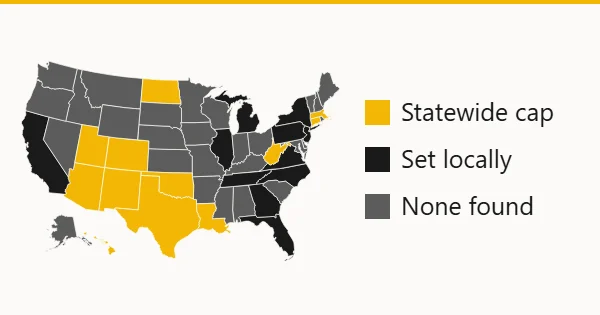
How much to get a car out of impound? Costs by state
How much to get a car out of impound: the tow, a daily storage charge and any release fees. See each state's limits and a worked example.
Updated
-
How to get a car out of impound: steps and documents
How to get a car out of impound: find the lot, check for a police hold, bring the papers your state lists and pay the fees. Steps and state rules.
Updated
-

Find my towed car: where to look first, state by state
Find my towed car: call the police non-emergency line or the number on the lot's tow-away sign, then try your state's official lookup if it has one.
Updated
-
Can someone else get my car out of impound? State rules
Can someone else get my car out of impound? Who may collect a towed car for the owner, which signed papers states list and what to bring along.
Updated
Sources (26)
- 13 AAC 02.345(d) written release from the officer or agency
- Cal. Veh. Code §22651.07(e) Notice - release conditions (3)-(4)
- MCL 257.252d (5) police release required
- RSA 262:40 Vehicles involved in crimes: released only on authorization
- THP Towing Service Standards Manual, § XIII.K Photo identification at release
- Pub. Ch. 457 (2025), Tenn. Code Ann. § 55-31-301(d)(4) 20 days to reclaim
- Pub. Ch. 457 (2025), Tenn. Code Ann. § 55-31-207(c) Release to insurer or lienholder
- THP Towing Service Standards Manual, § X.A.6 Release of a THP hold order
- Oklahoma Department of Public Safety - Wrecker Service FAQs (what is needed to get a vehicle out of impound)
- Oklahoma Department of Public Safety - Wrecker Service FAQs (proof of identification)
- 47 O.S. § 955 (A) proof of insurance before release (Towing of vehicle from roadway - grounds)
- Oklahoma Department of Public Safety - Wrecker Service FAQs (proof of registration)
- Oklahoma Department of Public Safety - Wrecker Service FAQs (law enforcement release)
- Oklahoma Department of Public Safety - Wrecker Service FAQs (someone acting for the owner)
- 47 O.S. § 904 regaining possession (Payment of cost of removal and storage)
- Utah Code § 41-6a-1406(7)(a)(i)-(ii) claim at a Tax Commission office with proof of ownership
- Utah Code § 41-1a-1101(8)(g) impound lot office open business hours
- 4 CCR 723-6, Rule 6512(f) release to authorized operator
- LAC 55:I.1941(B)(1) Authorized representative (LR 40, April 2014)
- LAC 55:I.1941(B) Immediate release on payment (LR 40, April 2014)
- N.C.G.S. 20-219.2(a2) Written notice of right to contest lien
- C.G.S. 14-66a(f) right to inspect before redeeming
- M.G.L. c. 266, § 120D (vehicle may be held until charges are paid)
- Utah State Tax Commission - Impound Vehicle Service: Impound Vehicle Search
- 47 O.S. § 954A (F) form sent to DPS and local police (Abandoned motor vehicle - removal (private property))
- Utah Admin. Code R909-19-3(9) non-consent police generated tow defined
General information, not legal advice. See how we verify figures.